Acupuncture explained
Acupuncture is one of the longest established forms of healthcare in the world. It originated in China approximately 2,500 years ago and is now practised across the globe.
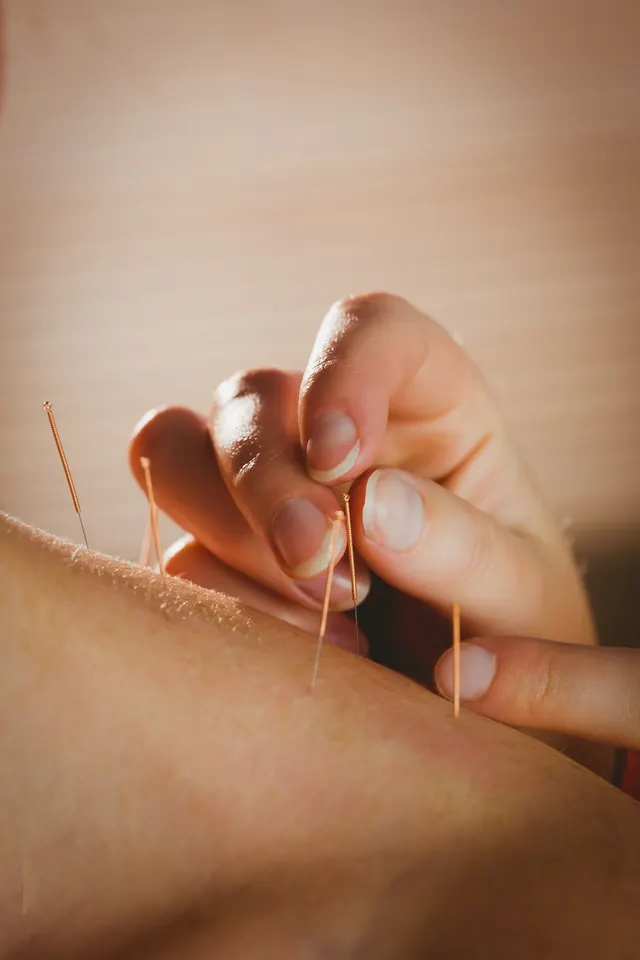
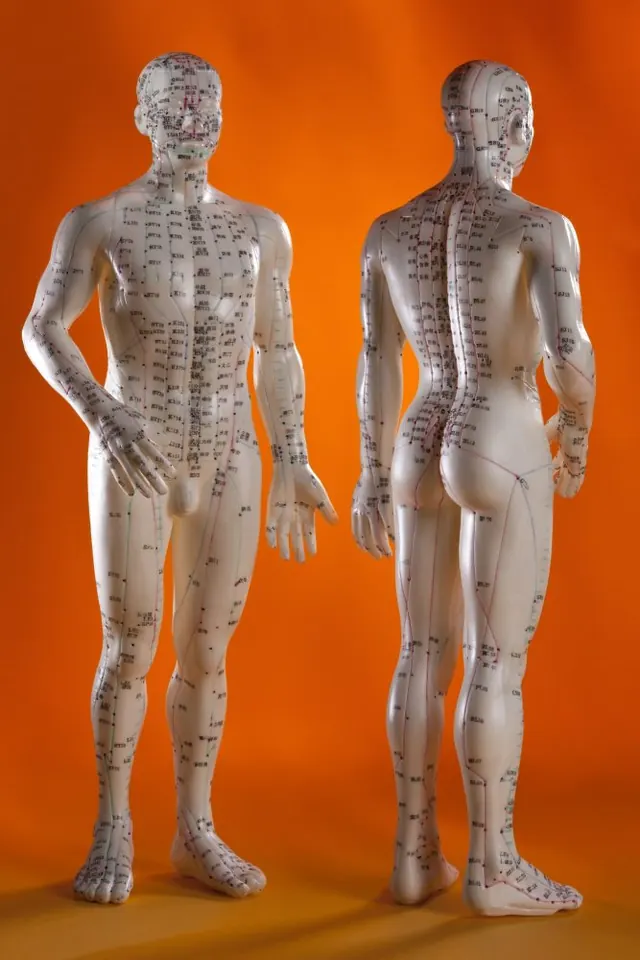
For acupuncturists, who use a traditional theory, the focus is on the individual, rather than an isolated complaint. The physical, emotional and mental aspects of life are seen as interdependent. Acupuncturists use subtle diagnostic techniques, such as taking the pulse and observing the tongue, that have been developed and refined for thousands of years. The insertion of very fine needles into specific points on the body regulates the flow of ‘qi’ along pathways in the body known as ‘meridians’.
How acupuncture works
The modern scientific explanation is that “needling” the acupuncture points stimulates the nervous system to release chemicals in the muscles, spinal cord and brain, including endorphins, encephalin (a type of endorphin) and other neurochemicals. These natural chemicals may either change the pain experience or trigger the release of other chemicals and hormones that influence the body’s own internal regulating system. The improved energy and biochemical balance produced by acupuncture results in stimulating the body’s natural healing abilities, and in promoting physical and emotional well-being.
The treatment — a case study: menopause
Acupuncture points to treat the emotional and physical effects of menopause are located all over the body. During the treatment, tiny needles will be placed along your legs, arms, shoulders, and perhaps even your little toe!
There seems to be little sensitivity to the insertion of acupuncture needles. They are so thin that several acupuncture needles can go into the middle of a hypodermic needle. Occasionally, there is a brief moment of discomfort as the needle penetrates the skin, but once the needles are in place, most people relax and even fall asleep for the duration of the treatment.
The length, number and frequency of treatments will vary. Typical treatments last from five to 30 minutes, with the patient being treated one or two times a week. Some symptoms are relieved after the first treatment, while more severe or chronic ailments often require multiple treatments.
Acupuncture should not be a “last resort”
Today, as people are becoming more aware of alternative treatments — and seeking pain relief options that do not include medication — acupuncture seems to have jumped to the top of many people’s radar. While over-the-counter or prescription pain medications may offer some relief, the relief is temporary and does not treat the underlying issue(s) or cause of the pain.
Holistic, and a great alternative pain treatment
According to the National Center for Complementary and Integrative Health (NCCIH), “results from a number of studies suggest that acupuncture may help ease chronic low back pain, neck pain, and osteoarthritis/knee pain. It also may help reduce the frequency of tension headaches and prevent migraine headaches.”
A group of researchers in China recently published their results from a study of 751 patients with low back pain. The researchers concluded that acupuncture may have “a favorable effect on self-report pain and functional limitations in LBP [low back pain] patients.”